
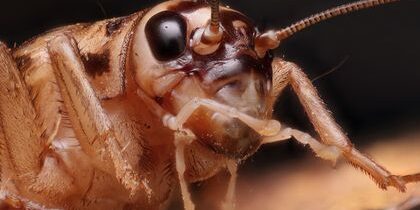
Recent studies suggest that crickets may possess the capacity to feel pain, challenging long-held assumptions about invertebrate sentience. The new research from a team of scientists sheds light on the complex responses of these insects to harmful stimuli, marking a significant advancement in our understanding of animal welfare and the biological experiences of creatures we often overlook.
Background and context
The question of whether insects can experience pain has long been a subject of debate among scientists and ethicists. Traditionally, the prevailing perspective categorized insects as simple organisms, lacking the neurological frameworks necessary for pain perception. This view was grounded in the absence of a centralized nervous system, as seen in vertebrates, leading to the conclusion that insects operated primarily on instinct rather than consciousness.
However, recent strides in research indicate a more nuanced understanding of insect neurobiology. Numerous studies conducted over the past decade have started to unravel the cognitive complexities of insects, suggesting they may possess a form of awareness that could extend to the experience of pain. Notable research includes work on fruit flies and honeybees, which demonstrated responses associated with nociception—recognizing potentially harmful stimuli. These advances have prompted scientists to reevaluate their ethical responsibilities toward insects in both natural and controlled environments.
Latest developments
In a groundbreaking study published in the journal ‘Current Biology’, researchers investigated crickets’ responses to painful stimuli, providing new insights into insect pain perception. The team employed a method that involved inducing discomfort in crickets by administering mild electric shocks and closely observing their subsequent behaviors.
The findings revealed that crickets not only altered their movement patterns in response to the shocks but also exhibited a prolonged avoidance of previously encountered locations associated with pain. This behavioral change indicates a potential memory of the unpleasant experience, which has traditionally been considered a hallmark of pain perception.
Lead researcher Dr. Elinor L. S. Davidson explained that the study highlights the possible existence of a sophisticated pain response system in crickets. “Their ability to remember and avoid sources of pain suggests a more complex form of nervous processing than we previously recognized,” stated Davidson. The implications of this research extend beyond crickets, prompting questions about the broader category of insects and their capacity to feel pain.
What to watch next
The revelations surrounding crickets raise critical considerations for both science and society. As researchers continue to explore the sensory experiences of insects, the findings may influence discussions on ethical treatment in agricultural practices and laboratory settings. Questions abound regarding how this knowledge will reshape regulations regarding insect welfare and our understanding of life forms that dominate ecosystems.
Furthermore, interest in the potential sentience of other insect species is likely to escalate. As scientists delve deeper into the world of invertebrate biology, it may become increasingly relevant to question the implications for pest control measures and the environmental ethics surrounding human interactions with these creatures. Observations from ongoing and future studies will be pivotal in reshaping our perception of insects, moving them from a category of ‘mere’ pests to beings deserving of consideration and respect.
Original Source: https://www.smithsonianmag.com/smart-news/can-insects-feel-pain-new-research-suggests-that-crickets-do-180988752/