New developments have emerged in the story of an enslaved boy captured in a portrait by renowned English artist Thomas Gainsborough, as researchers have uncovered additional clues that could reveal the boy’s identity. This latest information is part of an ongoing effort to illuminate the lives of those often forgotten in history.
The latest turn
The recent analysis conducted by historians at the University of Manchester indicates that the boy, previously only known as the “Gainsborough Boy,” may have been named Billy, a common name for enslaved children brought to England during the 18th century. This revelation comes from a combination of archival research and a close examination of Gainsborough’s records that detail his commissions and subjects.
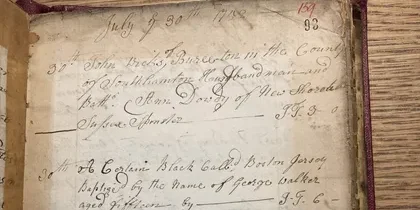
Further, a previously unknown ledger has been found, which outlines the entry of several enslaved individuals into domestic service in England. This archival material suggests that Billy was likely part of a wealthy household, possibly that of a prominent merchant involved in the transatlantic slave trade. The team is now working to confirm the full names and biographies of these individuals through further document analysis.
How the story got here
The journey to uncover the story behind this portrait began several years ago when art historians first pointed out that Gainsborough’s representation of the young boy was notable not only for its artistic merit but also for its social implications. The painting, completed around 1775, stood out due to the stark contrast between the celebrated lifestyle of the period’s upper class and the grim realities of enslavement.
Initial efforts focused on identifying the portrait’s subjects while providing context for their existence within a society that frequently overlooked the suffering of enslaved individuals. Previous investigations had documented the existence of similar portraits, but the case of the “Gainsborough Boy” was unique due to its emotional directness and potential narratives waiting to be explored.
Public interest grew as exhibitions highlighted the boy’s portrait alongside other works from the same era, prompting discussions about the role of enslaved people in British art history. What was traditionally viewed merely as a lesson in art is now being recognized as an important social commentary on issues of race and representation.
Next expected developments
Researchers are set to conduct more thorough investigations into the Gainsborough archives and additional records held at estate repositories. Future findings will not only strive to confirm the identity of the boy but will also delve deeper into the societal implications of his portrayal in Gainsborough’s work.
Moreover, a public lecture is scheduled at the university next month aimed at sharing preliminary insights with a broader audience, encouraging dialogue about the intersection of art, ethics, and history. As this story unfolds, the academic community remains optimistic that the efforts will not only shed light on the boy’s past but also contribute to a more comprehensive understanding of the narratives surrounding marginalized figures in British history.