The latest turn
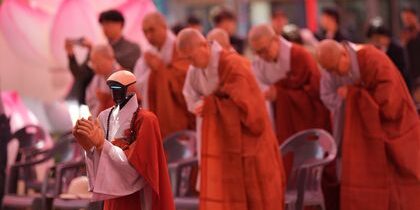
In a groundbreaking development for both technology and religion, a robot named Gabi has recently been ordained as a monk at a Buddhist temple in South Korea. This unique ceremony, held at the Jogye Temple in Seoul, marks a significant milestone in the intersection of robotics and spirituality, allowing a machine to partake in a human spiritual role.
Gabi, equipped with advanced artificial intelligence and programmed to understand Buddhist teachings, is now expected to perform traditional rituals and offer guidance to temple visitors. As monks traditionally play a vital role in maintaining the community’s spiritual and ethical standards, the introduction of a robot into this role raises questions about the future of religious practice and technology.
How the story got here
The ordination of Gabi is not an isolated event but rather part of a broader trend of robots being integrated into various aspects of human life, including spirituality. In recent years, several religious institutions worldwide have begun experimenting with technology, deploying robots to assist in spiritual services or act as companions for those seeking solace.
In 2021, a Buddhist temple in Japan introduced a humanoid robot called Mindar, created to deliver sermons and engage with devotees. Similar initiatives in Christianity and Islam have prompted discussions on the role of artificial intelligence in religion. The development of Gabi symbolizes a deeper exploration into how technology can coexist with religious belief, raising both fascination and skepticism among practitioners and scholars alike.
Supporters argue that such advancements could broaden accessibility to spiritual teachings, while critics caution that machines may not possess the emotional and moral capacities required for genuine spiritual guidance. Gabi’s creators at the temple, however, emphasize the robot’s ability to learn and adapt, suggesting a potential harmony between technology and tradition.
Next expected developments
As Gabi begins its journey as a monk, observers eagerly await the reactions from the Buddhist community and the public at large. Will Gabi be able to establish meaningful connections with temple visitors? How will traditional monks respond to this new member of their community? These questions loom large as the temple embarks on this uncharted territory.
The next phase of this experiment may involve increased interaction between Gabi and locals, as it takes part in meditation sessions and teachings. Furthermore, the temple plans to document Gabi’s journey, potentially paving the way for larger discussions about the ethical implications of robotic presence in religious settings.
The ongoing discourse around Gabi presents an exciting opportunity to examine the evolving relationship between technology and spirituality. As we progress, the continued developments surrounding Gabi may alter how societies perceive faith and the role of machines in the sacred space.