What happened
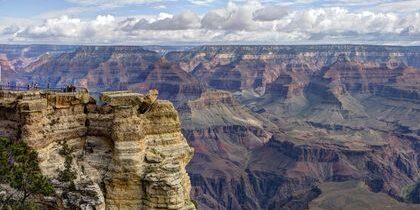
The Grand Canyon, an iconic natural wonder spanning over 277 miles in Arizona, has long fascinated scientists attempting to decipher its origins. Recent research published in the journal *Geological Society of America Bulletin* presents new insights that might finally shed light on the timing and process of the canyon’s formation. While previous studies have suggested varying timelines ranging from 5 million to 70 million years, this new analysis proposes a more refined estimate, honing in on the canyon’s creation around 6 million years ago.
The research utilizes advanced dating techniques on the canyon’s rock layers, in combination with geological data derived from river erosion models. By assessing sediment deposits and analyzing sediment cores, scientists were able to infer how water has shaped the landscape over millennia. The findings indicate that the Colorado River carved the canyon much quicker than previously understood, challenging established theories about its gradual erosion.
Crucially, this study introduces the concept that tectonic activity may have played a significant role in the canyon’s evolution. As tectonic plates shifted, they likely raised the Colorado Plateau, allowing river systems to cut deeper into the rock. This re-evaluation suggests a complex interplay between erosional forces and geological transformations, refining our understanding of how this natural monument came to be.
What it means for readers
The implications of this research extend beyond scientific curiosity; they may influence environmental conservation efforts and tourism development strategies in the region. Understanding the Grand Canyon’s formation has direct relevance to how we manage and preserve its unique ecosystem. As climate conditions change, knowing the canyon’s geological history could inform strategies for protecting its biodiversity and maintaining its structural integrity.
Furthermore, this new perspective can enhance the public’s appreciation of the natural world. As more people engage with the canyon through hiking, rafting, or simply visiting, a deeper knowledge of its origins enriches their experience. Educational programs that incorporate this latest research can foster a greater understanding of geological processes and encourage conservation efforts among visitors.
Ultimately, with the Grand Canyon attracting an estimated 6 million visitors annually, insights into its geological past and formation will enhance the narrative surrounding this breathtaking landscape, empowering the public to connect more deeply with the environment.
What happens now
Following this groundbreaking research, scientists plan to conduct additional studies, focusing on collecting more comprehensive geological data throughout the canyon and its surrounding areas. This includes gathering samples from various locations to establish a more complete timeline of its formation. Collaboration with other geological experts will also broaden the scope of research, potentially integrating data from related sites in the southwestern United States.
As we await further findings, an increased appreciation for the Earth’s intricate processes emerges. For nature enthusiasts and the general public alike, these revelations can inspire a stronger commitment to environmental stewardship. Understanding the forces that shaped the Grand Canyon not only illuminates our planet’s history but also emphasizes our responsibility to protect it for future generations. The journey to uncover the canyon’s past may be ongoing, but each step brings us closer to comprehending this majestic natural wonder.