
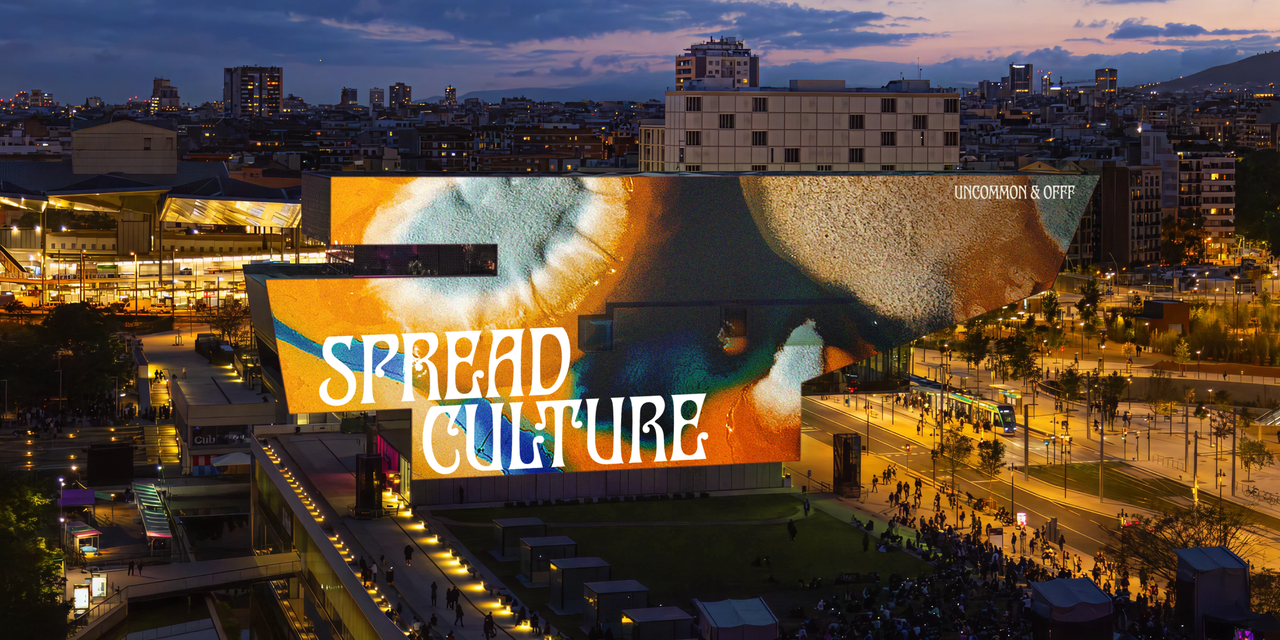
The recent unveiling of OFFF 2026’s visual identity has ignited intense discussions across design and artistic communities. The festival, renowned for showcasing cutting-edge creativity, has confirmed that its new branding elements were derived from a controversial methodology involving actual human subjects. This revelation has led to an outpouring of reactions ranging from protest to intrigue, reshaping the narrative around the festival’s image.
Immediate reaction
Social media was swift to respond, with many users expressing outrage over what they termed an ethical breach. Artists and designers critiqued the festival for its method of harvesting visual data from real bodies, prompting debates about the implications for individual rights and consent in the creative industry. Leading figures in the design community voiced their disapproval, stating that the approach undermines the fundamental principles of artistic expression. Some even called for a boycott of the festival, while others defended the idea as an avant-garde exploration of the human form.
Industry professionals were divided; while some viewed this approach as a groundbreaking intersection of art and technology, others saw it as a disturbing trend that could change the landscape of creative practices. Many called for more transparency concerning the methods used in the visual identity’s creation, emphasizing the need for ethical standards that resonate with public sentiment.
What triggered the move
The unusual decision to incorporate human-derived visuals stemmed from a desire to push creative boundaries and challenge conventional aesthetics. OFFF organizers aimed to provoke thought and elicit emotional responses from the festival’s audience, believing that genuine human experiences could be meaningfully represented through their visual identity.
By employing advanced scanning technologies, the festival’s creative team extracted intricate patterns and visuals from human subjects, creating a unique identity intended to symbolize connectivity and vibrancy. However, the choice of methodology raised questions about consent and the potential exploitation of individuals for artistic gain. Critics are asking whether the pursuit of innovation should override basic ethical considerations.
Why readers should care
This controversy touches upon broader themes around ethics in art and marketing. As technology advances, the potential to use human-derived visuals becomes increasingly feasible but also opens a Pandora’s box of ethical dilemmas. The backlash against OFFF 2026 serves as a critical case study on how modern creative practices could evolve and where the line should be drawn in terms of consent, commercialization, and morality.
As discussions unfold, the incident may lead to new guidelines or an industry-wide reevaluation of how artistic materials are sourced and utilized. The immediate ramifications for OFFF 2026 may include reputational damage, but it is likely to spark a larger conversation within the creative community, prompting artists and organizations to consider the ethical landscape in which they operate. The outcome could redefine the balance between innovation and ethical responsibility, making it essential for audiences to stay informed and engaged as the dialogue continues.
Original Source: https://www.creativebloq.com/design/branding/revealed-offf-2026s-visual-identity-was-harvested-from-actual-people