
Key details
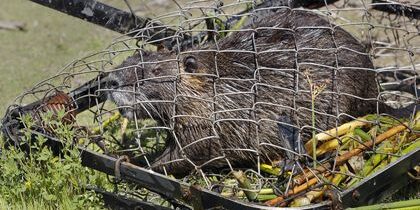
In a troubling development for California’s ecosystems, new research indicates that large invasive rodent species, notably nutria and capybaras, have proliferated across various regions of the state. These rodents, known for their capacity to damage vegetation and critical water infrastructure, were previously confined to specific areas but appear to have spread rapidly in recent months. The study, conducted by biologists from the University of California, highlights evidence suggesting these rodents were intentionally introduced into the environment.
Why this matters
The implications of this introduction are significant. Nutria, native to South America, can consume and destroy wetland vegetation, leading to erosion and loss of habitat for native wildlife. Their feeding habits not only threaten biodiversity but also compromise the resilience of California’s wetlands, which are crucial for flood control and water purification. Capybaras, the world’s largest rodents, similarly have voracious appetites for aquatic plants and pose challenges to agriculture by impacting crops.
This situation raises urgent questions about the motivation behind such introductions. Researchers suspect these rodents may have been released for sport or as part of misguided attempts at pest control, despite the ecological consequences that follow. The deliberate action to introduce these species could also reflect a broader trend where wildlife is managed or manipulated without considering the potentially irreversible impacts on local ecosystems.
Broader picture
As California grapples with changing climate conditions and water scarcity, the stress on its ecosystems is already high. The addition of invasive species complicates conservation efforts, as the competition for resources intensifies among native species. This situation serves as a potent reminder of humanity’s complex relationship with nature and the need for responsible stewardship. It underscores the importance of preventive measures, such as stricter regulations on wildlife introductions and enhanced public education about native species.
Looking ahead, the response to this burgeoning problem will require coordinated efforts from researchers, policymakers, and community members to mitigate the impact of these invasive rodents. Addressing the root causes of their introduction will be crucial in protecting California’s ecosystems from further disruption. Whether this serves as a cautionary tale will depend on how effectively stakeholders respond to these challenges going forward.