
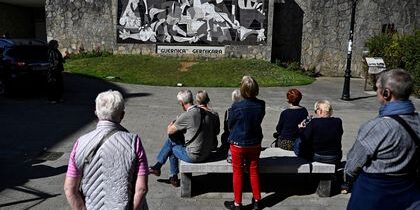
Calls for Picasso’s iconic anti-war painting, ‘Guernica,’ to return to Spain have ignited a heated debate among art institutions, historians, and the general public. This discourse is not purely about a painting’s physical location but touches on themes of memory, history, and nationalism in post-war Europe.
Background and context
Created in 1937, ‘Guernica’ is one of the most powerful political statements in art history, depicting the horrors of the Spanish Civil War after the bombing of the Basque town of Guernica by Nazi German forces. For decades, the painting stood as a symbol of anti-war sentiment and the struggle against fascism. Following the end of the Spanish Civil War, the artwork was taken to the Museum of Modern Art in New York, where it remained for nearly four decades.
In 1981, the Spanish government negotiated the return of ‘Guernica’ to Spain, where it is now housed in the Museo Reina Sofía in Madrid. Since then, it has garnered immense attention and has been a centerpiece for discussions about art’s role in political discourse. Despite its prominent placement in Madrid, recent public commentary has questioned whether its permanent residence there adequately reflects its significance in the broader context of Spanish history.
Latest developments
The latest request to borrow ‘Guernica’ comes from the municipality of Guernica itself, which is eager to showcase the piece during the upcoming anniversary of the bombing. The town aims to highlight its historical significance and foster dialogue about the ongoing implications of war in the contemporary world. However, the proposal has faced backlash from various quarters, particularly from art historians and curators who argue that moving the painting could undermine its symbolic weight and disrupt its ongoing role as a cornerstone of anti-war activism.
Proponents of the loan assert that showcasing ‘Guernica’ in Guernica would not only honor the memory of those who suffered but would also encourage a renewed discussion about the consequences of violence and conflict today. Meanwhile, critics warn that moving the piece—even temporarily—could diminish its integrity and permanence within Spain’s cultural legacy. The debate has led to broader conversations about the ownership of historical memory, which continue to be relevant in Spain’s rapidly changing political environment.
What to watch next
The response from the Spanish cultural community is expected in the coming weeks, as both sides present their arguments regarding the temporary relocation of the masterpiece. Furthermore, this situation invites an examination of how nations reckon with traumatic histories through art and memory. Intriguingly, other communities around the world may also find inspiration from this debate, as they confront their own complicated relationships with artifacts of conflict.
As this dialogue evolves, it will be crucial to monitor how cultural institutions navigate the delicate balance between preserving historical works and facilitating communal dialogue around their meanings. The outcome of this discourse will have implications not only for ‘Guernica’ but for the broader conversation surrounding art as a powerful instrument of social and political commentary.