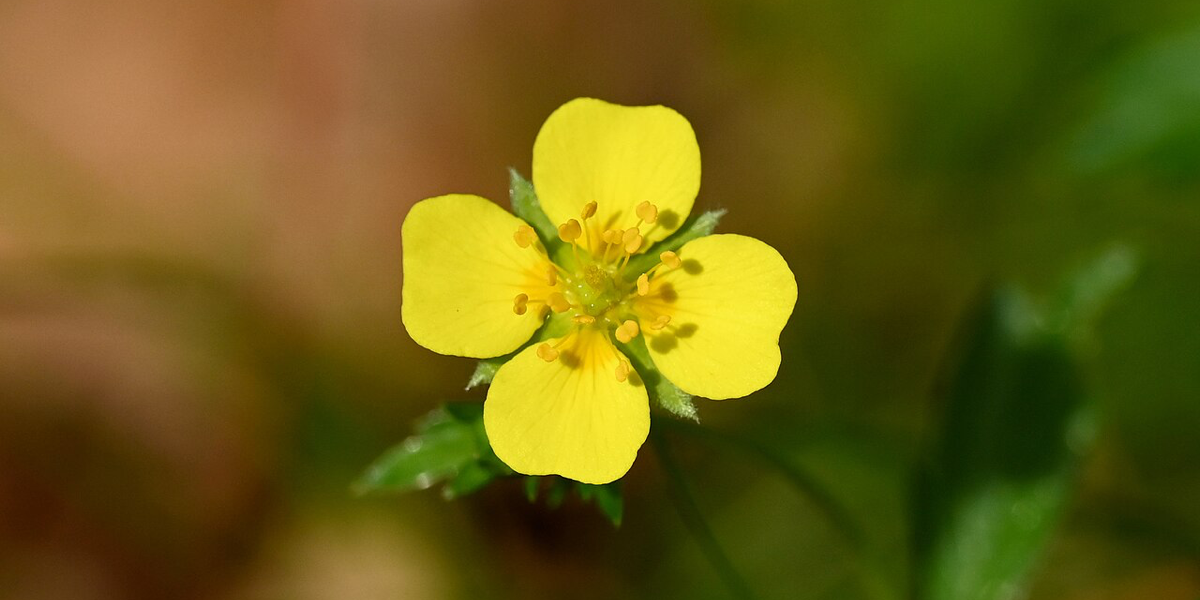
A recent study highlights a tiny wildflower, Micromeria hypericifolia, as a potential ally in the fight against antibiotic-resistant bacteria, commonly referred to as superbugs. This discovery, emerging from research at the University of California, has piqued the interest of scientists aiming to address one of the most pressing issues in modern medicine.
What happened
Researchers at the university conducted an extensive investigation into the antimicrobial properties of Micromeria hypericifolia, which typically grows in mountainous regions of California. The study revealed that extracts from the wildflower demonstrated significant antibacterial activity against various superbugs, including strains of methicillin-resistant Staphylococcus aureus (MRSA) and Escherichia coli (E. coli). The flower’s compounds seem to disrupt bacterial cell walls, effectively rendering these pathogens vulnerable.
The findings emerged from a combination of botanical exploration and laboratory experiments, showcasing the flower’s potential as a natural source for new antibiotic agents. By analyzing the chemical composition of the plant, scientists believe they can isolate the active compounds responsible for its antibacterial effects.
Why it matters
The emergence of antibiotic-resistant bacteria represents a critical challenge for healthcare systems worldwide. According to the World Health Organization (WHO), superbugs are responsible for an estimated 700,000 deaths annually, a number that could reach 10 million by 2050 if no effective solutions are implemented. Traditional antibiotics are losing their efficacy, creating an urgent need for novel treatments that can combat resistant strains.
The significance of the findings regarding Micromeria hypericifolia extends beyond its immediate antimicrobial properties. It highlights the importance of exploring plant-based remedies, which have been overlooked in the age of synthetic drugs. This research underscores the potential of biodiversity to contribute to medical breakthroughs, encouraging further investigation into other lesser-known flora that may harbor similar beneficial characteristics.
What comes next
Moving forward, the research team plans to isolate the specific compounds from the flower to better understand their mechanisms of action and efficacy against superbugs. Future studies will focus on testing these compounds in clinical settings to evaluate their potential as new antibiotic treatments. Researchers are also considering collaborations with pharmaceutical companies for possible developments into new drugs.
The discovery of Micromeria hypericifolia serves as a reminder of nature’s untapped resources in addressing modern medical challenges. As antibiotic resistance continues to escalate, the exploration of natural alternatives may provide a crucial path forward. The next immediate watchpoint will be the progression of laboratory results into real-world applications—transforming this tiny wildflower into a formidable weapon against superbugs.
Original Source: https://www.sciencealert.com/this-tiny-wildflower-could-be-a-secret-weapon-against-superbugs