
The latest turn
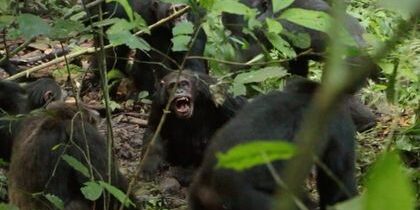
In a remarkable yet troubling chapter of primate behavior, recent observations reveal that a faction of wild chimpanzees in the Taï National Park of Côte d’Ivoire has intensified their aggressive encounters against rival groups. This has spotlighted what some researchers are calling a ‘civil war’ among the chimpanzee community, now in its ninth year. The ongoing conflict has resulted in alarming casualties and significant social upheaval, altering the landscape of these primate groups.
Most notably, in the last month, scientists recorded a series of violent confrontations, leading to injuries and fatalities among both adult males and females. The aggression seems to be fueled by established rivalries and deepening territorial disputes, as resources like food and safety become increasingly scarce. The escalating violence among these groups not only highlights the complexity of chimp society but also raises concerns regarding the conservation state of these intelligent creatures.
How the story got here
The saga traces back to 2014, when the chimpanzees from neighboring communities began exhibiting aggressive behaviors towards each other. Initial skirmishes over territory were dismissed by some as typical dominance displays among primate groups. However, researchers soon recognized these encounters were escalating into sustained confrontations, leading to what has become the longest and bloodiest known split among chimpanzee populations.
Conflict typically emerges around mating opportunities and resource scarcity, but this case is unique. As the war progressed, certain factions broke away from their original clan structures, forming distinct groups that now engage in territorial warfare. Sociobiologists have noted a dramatic increase in tool use and strategic planning during these confrontations, indicating that these chimpanzees are not only fighting for survival but are also exhibiting advanced social coordination.
This conflict has drawn the attention of anthropologists and conservationists alike, as it reflects wider themes concerning social behavior and group dynamics in primates. With chimpanzees facing increasing threats from habitat loss, observers are concerned that their internal conflicts might also detract from their survival in an already precarious environment.
Next expected developments
Looking ahead, researchers anticipate further violent encounters as the territorial disputes become entrenched. Field studies are ramping up, with scientists deploying new tracking technologies to monitor the movements and interactions of the chimpanzees more precisely. This data is crucial for understanding not only the immediate effects of the civil war but its long-term implications on chimpanzee social structures and conservation strategies.
As summer approaches, scientists expect further increased activity in breeding cycles, which could either exacerbate tensions among rival factions or lead to unexpected alliances. Observers are particularly keen to see if shifts in power dynamics occur, as chimpanzee groups are known for their fluctuating leadership structures. The next few months will likely yield critical insights into both chimpanzee behavior and the nuances of their social hierarchies.