
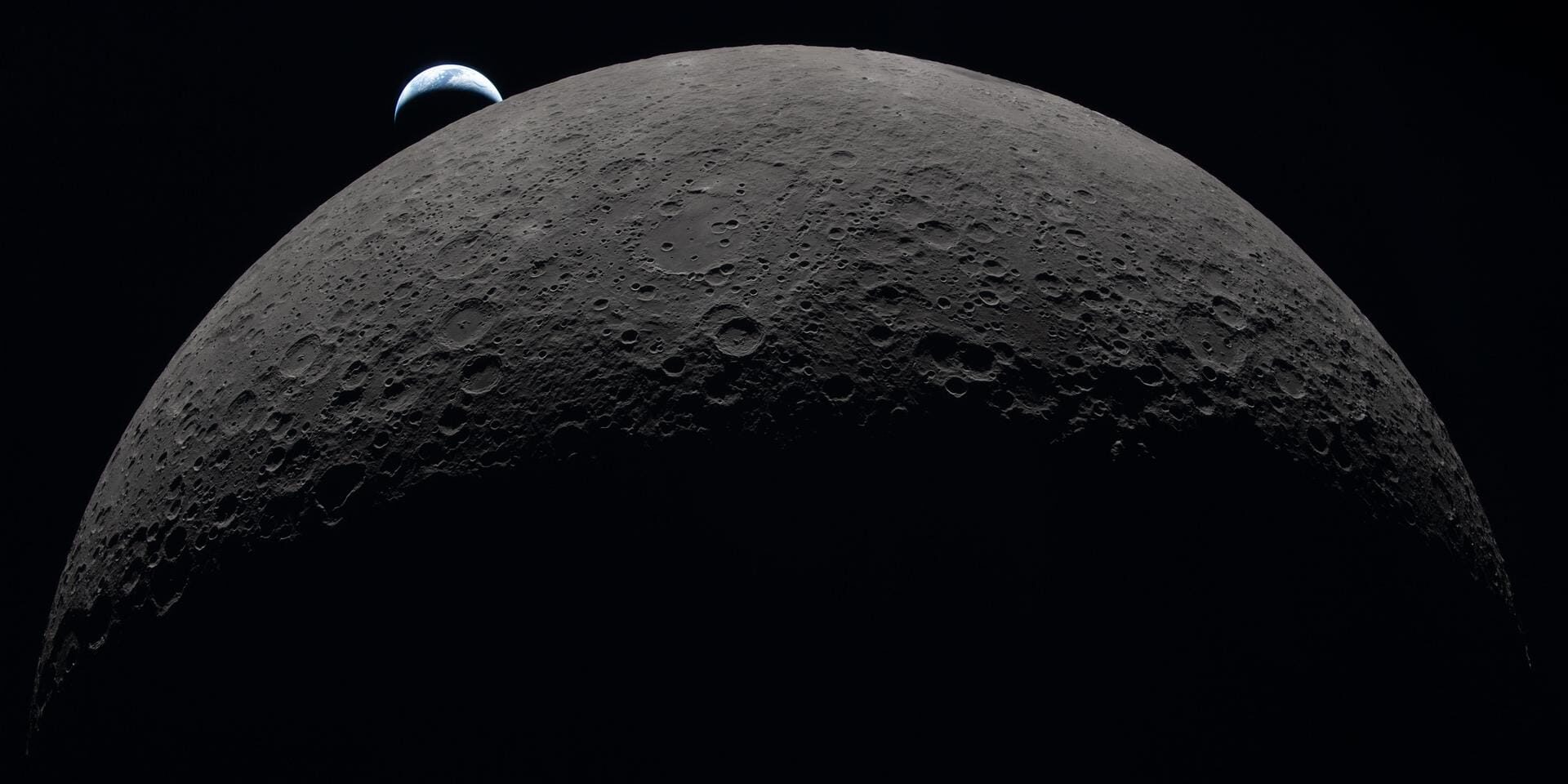
NASA’s Artemis II mission has achieved a remarkable milestone by capturing breathtaking images of an “Earthset” from deep space. As the spacecraft travels beyond low Earth orbit, images shared by the agency showcase our planet gracefully descending behind the lunar horizon. This visual documentation not only illustrates the beauty of our planet from a unique vantage point but also contributes vital data for future missions.
What happened
Artemis II, the first crewed test flight of NASA’s ambitious lunar program, is currently en route to the Moon, marking an essential step in humanity’s return to lunar exploration. During its voyage, the crew aboard the Orion spacecraft took multiple photographs and videos, beautifully framing Earth as it sets behind the Moon. These images, taken from a distance of approximately 238,000 miles, are some of the first to depict such a distinct perspective of Earth in relation to the lunar surface.
The images were captured using advanced cameras and imaging technology integrated into Orion, which provided the astronauts the capability to document their journey. The stunning visual representations of Earth highlight not just the geographic majesty of the planet but also its fragile and isolated presence in the vastness of space.
Why it matters
The significance of the Earthset images transcends mere aesthetics; they serve as a poignant reminder of the planet’s vulnerability in the cosmic expanse. With the increasing urgency surrounding climate change and sustainability efforts, visual insights from such deep space explorations resonate deeply with the global audience. The striking contrast between the Moon’s desolate, gray surface and Earth’s vibrant blues and greens highlights the essential notion of stewardship for our home planet.
Moreover, these images are invaluable for NASA and global space agencies as they develop plans for human missions beyond the Moon, including aspirations for Mars. Understanding the operational dynamics, environmental factors, and navigation techniques required for such ambitious missions necessitates effective documentation and analysis—elements that the Artemis II mission is providing.
What comes next
As Artemis II continues its journey, eyes remain keenly focused on the mission’s next significant milestones, including a planned lunar flyby that will further test the capabilities of both the spacecraft and astronauts. Following the flyby, the crew will gather additional data that will assist in evaluating the performance of the Orion system, crucial for future missions destined for the Moon and beyond.
In the coming weeks, NASA is expected to release further imagery and detailed analysis as Artemis II approaches its lunar objectives. The mission signifies a new era in human space exploration, and the insights gleaned from this expedition may have lasting implications for interplanetary travel and our understanding of Earth’s significance in the universe.
Original Source: https://www.thisiscolossal.com/2026/04/artemis-ii-earthset-moon-nasa-space-travel/