
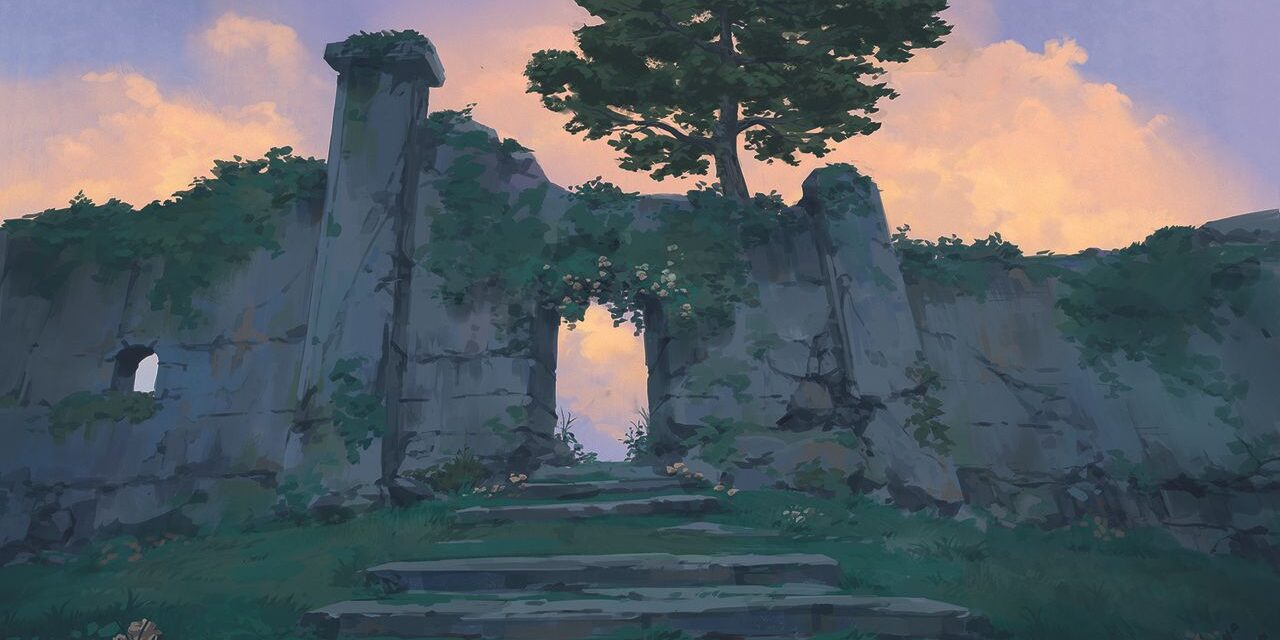
Matte painting, an artistic technique rooted deeply in filmmaking history, has evolved into an essential tool for creating stunning cinematic landscapes, engaging game concepts, as well as visually appealing personal illustrations. In this digital era, highly-structured matte painting can convert a simple sketch into a stunning visual environment. This article sheds light on how to effectively structure a matte painting for different virtual platforms.
Having its origins in the early screen days of Hollywood, matte painting amalgamates digital and traditional painting techniques to create realistic backgrounds. Initially, these were hand-painted illustrations on glass panes, positioned between the camera and the set. Now, digital advancements and 3D modeling techniques have remodeled this ancient craft into a staple of the digital design industry.
The structuring of a matte painting is a layered process, starting with a rough sketch or concept, building up with color and light, and ending with a high-resolution visual.
To begin the process, a detailed sketch of the preferred environment is required, often referred to as a ‘rough concept.’ A North Carolina-based matte artist, Matt Conway, emphasizes the importance of this initial step in recent online discourse. Conway advises artists to “think about the perspective, choice of color, and time of day” to create a realistic base. This step provides direction for the ensuing painting process.
To create that amazing game concept, the environmental sketch must incorporate elements central to gameplay. For a fantasy game, for instance, the design may need to illustrate ancient ruins or magical forests. It’s imperative the design’s details align with the game’s story and environment.
Once the rough concept has been established, the artist adds in colors. A British matte painter, Jackie King, recommends digital artists play with “light and shadow” to convey a sense of depth. Don’t shy away from adjusting colors multiple times to perfect the environmental feel.
To build on King’s point, lighting is a crucial factor in creating a cinematic environment that can transport viewers into different locales and times. Recent discussions among online art forums highlight the careful manipulation of light and shadow to create atmospheres ranging from a dawn-lit alien planet to a murky, haunted mansion.
The final structuring phase involves the addition of fine special elements like fog, rain, or rays of sunlight to make the picture more vibrant and realistic. This final flourish often serves as the striking feature in movie scenes, video game levels, and personal art.
Even with structured matte painting, digital training platforms, like the Gnomon School of Visual Effects, continually stress the importance of the artistry behind the computer. To master matte painting, artists need a fundamental understanding of color theory, perspective, and traditional art skills.
“Whether you’re using brushes or a stylus, the role of the artist remains prominent,” says Gnomon instructor, Alex Alvarez.
Matte painting has come a long way from its early days of glass and paint. Today, it’s a cornerstone of creating high-quality visuals that transport audiences into worlds of imagination and creativity. A well-structured matte painting can elevate a simple sketch into a cinematic universe, a gripping game environment, or a breath-taking personal illustration.
By marrying traditional art skills with digital technology, the potential of matte painting seems limitless. As modern technology continues to advance, so too will the artistry behind structured matte painting. This highly complex yet rewarding process reflects the very essence of artistic progression, opening doors to unexplored creative realms.
It’s an exciting future paved with the magic of matte painting. And the secret to it lies in its structure and understanding the artistic elements that go into creating these beautiful visuals. Like the art form itself, beautifully structured matte painting is a harmonious blend of the old and the new, the real and the imaginary, the artist’s soul, and the audience’s mind.
Original Source: https://www.creativebloq.com/art/digital-art/how-to-structure-a-matte-painting-to-create-a-cinematic-environment-game-concept-or-personal-illustration