
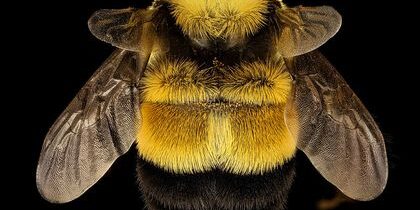
Despite their minute brains, new research suggests that bumblebees possess a surprising sense of rhythm. The study, conducted by global neuroscientists, has gained considerable attention online due to its astounding findings that defy former assumptions about insect intelligence and cognition.
The research, led by neuroscientists at the Queen Mary University, London, investigates how bumblebees interact with the world around them. The researchers stimulated the bees using rhythmic sensory signals and discovered the insects could process rhythmic patterns just as humans do when they listen to music.
“The bumblebees surprised us,” said primary author Dr. Julie Bhosale, a neuroscientist at Queen Mary University. “Despite having much smaller brains than mammals, they were capable of picking up on the rhythmic patterns we presented to them, demonstrating a cognitive ability that was previously believed to belong only to animals with much more complex neural networks.”
The study’s findings have significant implications for understanding bee behavior, especially given the major role these creatures play in pollinating plants, essential for our ecosystem’s survival. By revealing the bees’ rhythmic abilities, the researchers hope to provide insights that could contribute to conservation efforts amid decreasing bee populations worldwide.
Bhosale also hinted at the wider implications of the study. “This research could force us to totally rethink how we perceive intelligence and complex behavior in the animal kingdom,” she said.
In the experiment, bumblebees were exposed to rhythmic stimuli designed to replicate natural environmental conditions such as the waving of a flower in the wind. The neuroscientists then monitored the bees’ reactions, noting how they changed their hovering and flying behaviors in response to changing rhythms.
“The bees’ ability to recognize rhythm suggests they may use similar capabilities while foraging to interpret signals in their natural environment,” elaborated Dr. Bhosale. “This sophisticated perception was traditionally associated with larger brains of mammals, making our discovery quite remarkable.”
Engaging closely with the study, the online community highlighted its importance. The research has started trending on platforms like Twitter and Reddit, with users expressing both amazement and curiosity about the fascinating natural world.
A user commented, “It’s insane to think about all the complexities bees have with such tiny brains. Their importance goes beyond honey and pollination. We are just beginning to understand them.”
Veteran nature presenter and biologist Sir David Attenborough hailed the research as a testament to the “amazing adaptability of nature.” In a tune-in call to his Instagram followers, he stated, “The fact that such small creatures as bees can understand rhythm sheds new light on the wonders of natural intelligence.”
As the results continue to stir discussions on the internet, numerous media outlets are picking up on the conversation, broadcasting podcasts and creating posts that delve into the deeper significance of these findings.
The study has not only challenged previous cognitive assumptions about insects but also sparked global interest in the mysterious abilities of bumblebees. It’s a poignant reminder that in the complex web of life on Earth, every creature, no matter how small, has its extraordinary part to play.
With further research, neuroscientists hope to uncover more about the intriguing world of bumblebees. But for now, the buzzing conversation around these surprising rhythmic geniuses continues, making us rethink our understanding of animal intelligence.
Original Source: https://www.smithsonianmag.com/smart-news/bumble-bees-have-a-surprising-sense-of-rhythm-despite-their-tiny-brains-180988481/