
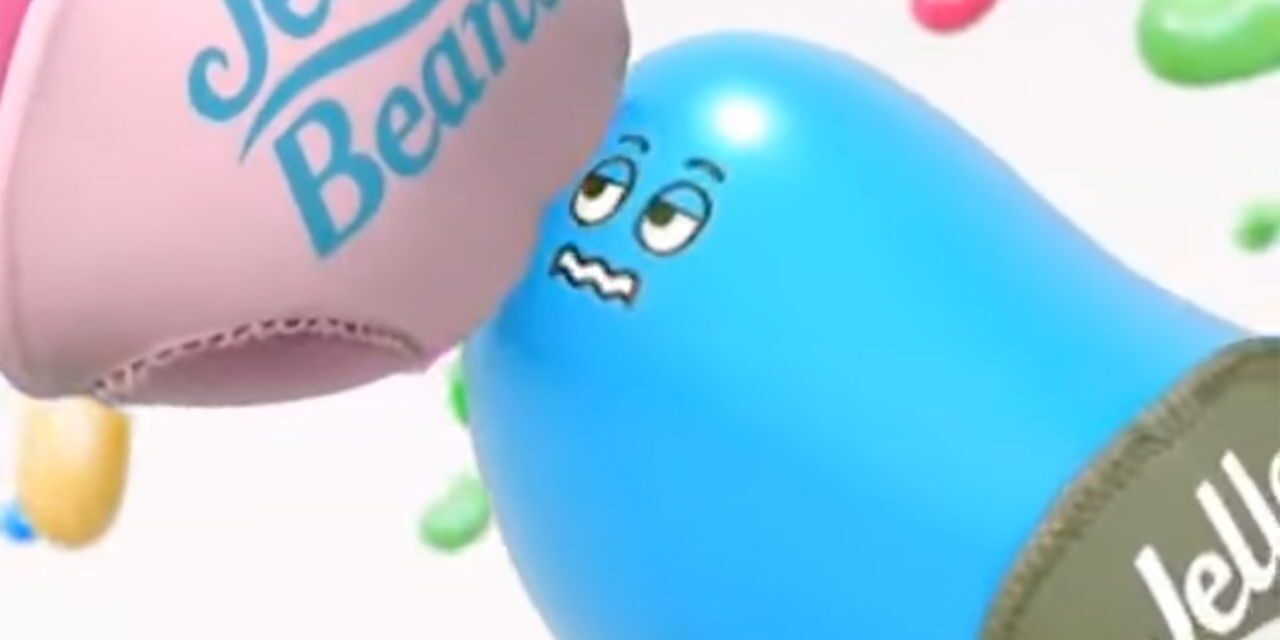
Advertisements have the remarkable power to transform our perceptions in a lasting way. More often than not, such effects are intentional. Culinary advert creators tantalize our senses with sumptuous images, making viewers salivate over the showcased delicacies. Tech commercials champion the ease with which their latest gadget integrates into our daily lives, projecting desires we were not aware we had. Fashion advertisements aim to redefine beauty standards, pushing us to upgrade our wardrobes. However, in the land of the rising sun, an unconventional jelly bean commercial has inadvertently changed the way consumers globally view this emblematic childhood treat forever.
Japan is known for its intriguing, and often bewildering advertisement strategies – from infomercials inundated with rainbow-hued explosions and gravity-defying stunts to heartfelt dramas that carry meaningful messages in less than a minute. This time, a Japanese candy company has released a strangely haunting advertisement illustrating the life cycle of a jelly bean. Yes, you read it right; a jelly bean’s life cycle.
To the confusion of international viewers, the rules of biology are dramatically rewritten as baby jelly beans are harvested from agricultural plots, ‘born’ in the soil, and ‘nurtured’ on jelly bean trees until they’re ripe for ‘plucking’. This puzzling agrarian narrative not only questions our grasp of basic biology but also disrupts the familiar warmth attached to this tiny, gelatinous sweet.
Unsurprisingly, the ad soon went viral on social media, with netizens dissecting and debating its implications in Twitter threads and Reddit discussions. Netizens reacted with comical bemusement, crediting Japan for “taking things to an all-new level of weird”. Despite the confusion, many could not deny the PR success of the ad, as its quirkiness captivated viewers globally, and the jelly bean became the talk on every digital platform.
While some see the comical absurdity as a masterstroke in attention-grabbing, others argue that it has undeniably tainted the candy’s image, serving up a platter of discomfort with every handful of jelly beans hereafter. People account for feeling disoriented while eating jelly beans post-viewing, as bizarre visual associations mar their snacking experience.
Jamal Samuel, a popular food vlogger, stated, “It’s a funky, fun ad until the moment you pop that jelly bean into your mouth, and then you can’t help but think about where it had been. It’s not disgusting, but it’s definitely weird”. Others echoed similar sentiments, pondering on whether this advertisement strategy could backfire if the awkwardness persists.
Ironically, this calls into question the very efficacy of such a bizarre approach. The advertisement has undeniably spiked the jelly bean brand’s digital presence, but at the cost of potentially alienating its consumers’ palate. As millennials and Gen Z’s affinity for the outlandish continues to grow, it remains uncertain if this gamble will hit the sweet spot or leave a sour aftertaste.
In conclusion, as novel as the Japanese ad was, it has certainly reshaped how we see jelly beans, planting them firmly from the candy aisle onto the fictional ‘beanstalk’. Whether it impacts the candy’s sales remains to be seen, but for now, this viral ad has indisputably injected a dose of imagination into our mundane snacking routine, albeit straying from the sweetness it initially promised.
Original Source: https://www.creativebloq.com/design/advertising/this-weird-japanese-ad-has-ruined-the-way-i-look-at-jelly-beans-forever