
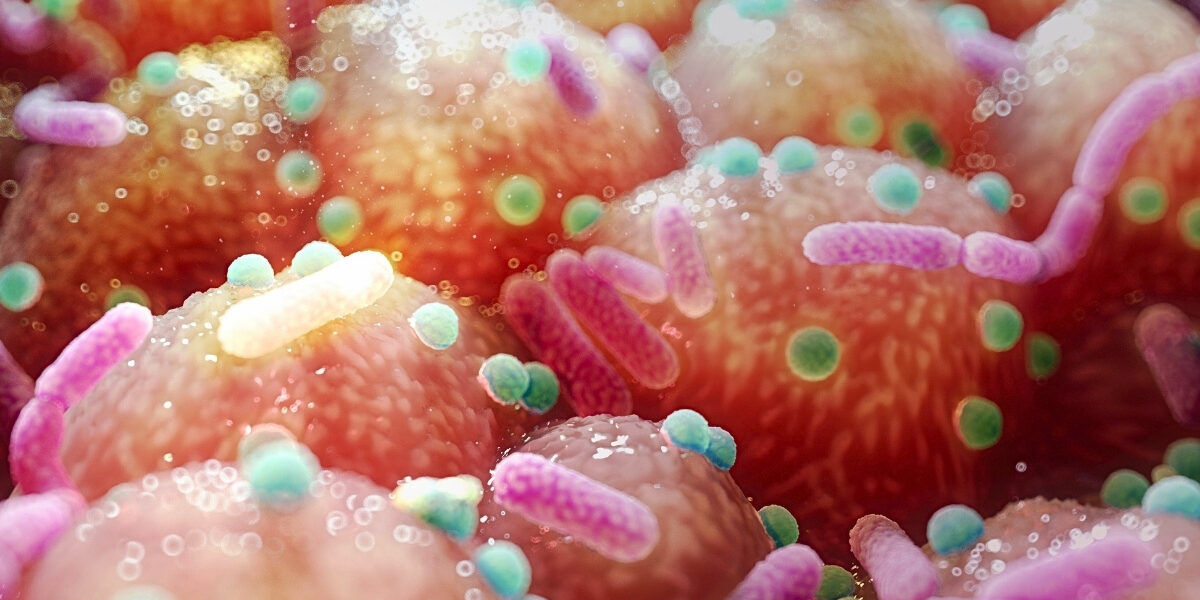
Compelling new research is emerging that suggests links between the gut’s microbiome – its rich ecosystem of bacteria – and the development of Parkinson’s disease. Scientists are optimistic that these findings could simplify treatment methods for the debilitating neurodegenerative disorder.
Parkinson’s disease, which currently affects more than 10 million people globally, is characterized by tremors, stiffness, impaired balance, and rigidity of the muscles. The connection between the disorder and the gut has always been elusive, although an increasing number of studies have started to suggest potential links.
Researchers from institutions including the California Institute of Technology and the University of Alabama, have discovered that changes in the gut’s bacterial population could influence the onset and progression of Parkinson’s through the interaction with the nervous system.
“While the consensus in the field has been that Parkinson’s begins in the gut and goes to the brain, our data is telling us that it is more connected than that – the gut and the brain are interacting in a way we hadn’t noticed before,” says Sarkis K. Mazmanian, Ph.D.,, one of the study’s authors and a professor at the California Institute of Technology.
The researchers used mouse models for their research. Half of the mice had their gut bacteria removed while the other half were normal. Both groups of mice were then injected with a protein linked to the development of Parkinson’s. The results were clear: the mice with gut bacteria developed the symptoms of Parkinson’s, while those without did not.
In terms of treatment, this could mean that modifying the gut’s microbiome or using probiotics could help manage or prevent the disorder. Probiotics contain similar types of bacteria found in a healthy gut microbiome. Currently, primary treatments for Parkinson’s include medication and physical therapies which only manage the symptoms and do not halt the disease progression.
“The fact that we can now begin to intervene on a microbiome level to potentially combat diseases such as Parkinson’s is truly groundbreaking,” states Nicole Green, a neurologist not involved in the study.
Though internet publication coverage has been largely enthusiastic about this development, it is important to note that human trials have yet to be undertaken, and more confirmatory studies are needed to firmly establish the relationship between gut bacteria and Parkinson’s disease.
Also, as flagged by some online health discussions, caution should be exercised in self-treatment with probiotics before understanding the full implications. The gut bacteria ecosystem is complex and varies greatly from person to person. What works for one patient might not for another, and misuse or abuse of probiotics might lead to other health complications.
Robyn Gershon, a clinical psychologist and expert in human behavior, urges, “By all means let this new information fuel hope and further fundraising towards more research. But resist the urge to self-medicate or radically alter your lifestyle based on early-stage findings.”
It’s clear the relationship between our gut health and brain function is more pivotal than realized, and these findings provide new hope for those affected by Parkinson’s. The potential for a simplified and more natural treatment is indeed an exciting step forward in tackling this disease, but moving from these preliminary findings to a proven, effective treatment will require further detailed experimentation and research.
As scientists delve deeper into the mystery of Parkinson’s disease, we are reminded of the interconnected nature of our body’s systems, and the importance of holistic health in disease prevention. This new research paints an encouraging picture for the future – one where a simple pill containing healthy bacteria might lead to significant improvements for Parkinson’s sufferers.
Original Source: https://www.sciencealert.com/parkinsons-link-to-gut-bacteria-hints-at-unexpectedly-simple-treatment